
Two Month Program
- Name: Riley Galatis
- Email: rpg0008@uah.edu
Committee Head
- Name: William Stringfellow
- Email: was0024@uah.edu
August 23, 2026
August 22, 2026
August 26, 2026
September 25 - September 27, 2026
October 14 - October 17, 2026
October 19 - October 24, 2026
October 25, 2026
November 1, 2026
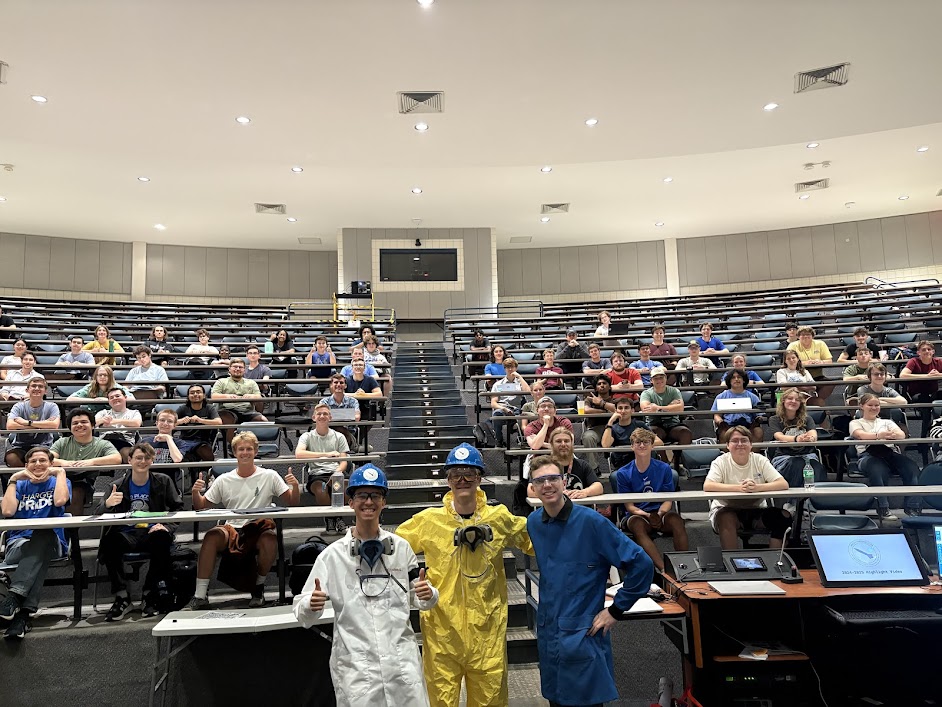
Two Month is SHC's introductory and educational project for new club members. Mentor-led small teams are tasked with building a payload or vehicle that meets the requirements of their given mission. Mission options vary from year-to-year, and this year's challenges will not disappoint! More information on the five challenge options can be found below.
Two Month has many benefits: In the program you learn about the projects in the SHC as well as get hands-on work with the full engineering process. In addition to academic benefits, it strengthens your resume as a relevant project. Being short term, the project lets you experience SHC, engineering, and science without any long-term commitment.
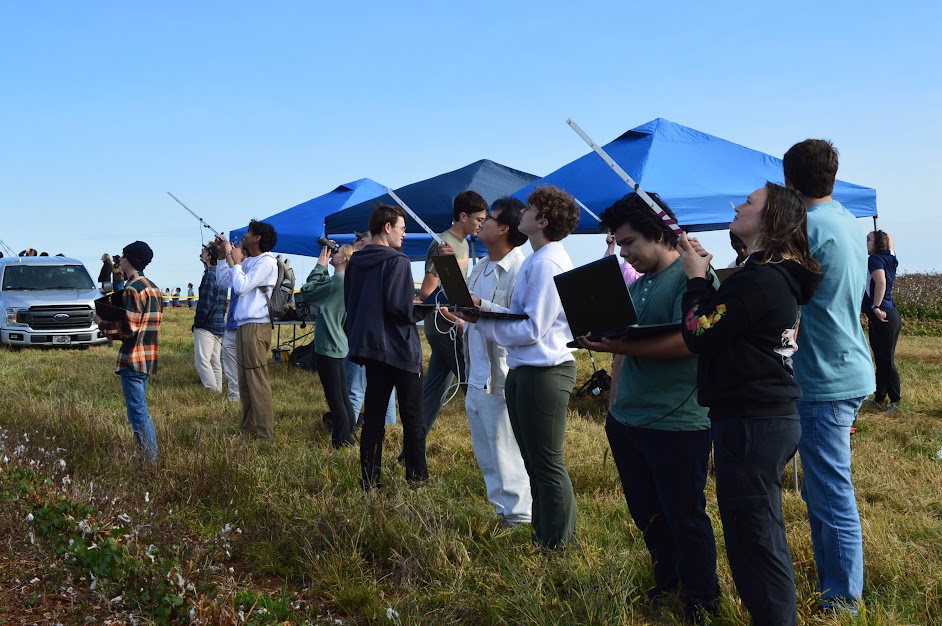
The CanSat Two Month Challenge gives mentees hands-on experience designing, building, testing, and flying a small satellite system. Teams will launch their CanSat by balloon, mechanically deploy it, control its descent using a system such as a glider, aerobrakes, or autogyro, and collect and transmit flight data to a ground station.
Mentees will work within Mechanical, Electrical, and Software subteams and gain experience with skills such as:
The challenge is designed to prepare students for SHC's teams competing in the annual CanSat International Competition hosted by the American Astronautical Society (AAS). Team selection considers not only technical ability, but also communication, teamwork, and supporting others.
Interested in putting your skills to the test against teams from around the world? Learn more about the CanSat Competition.
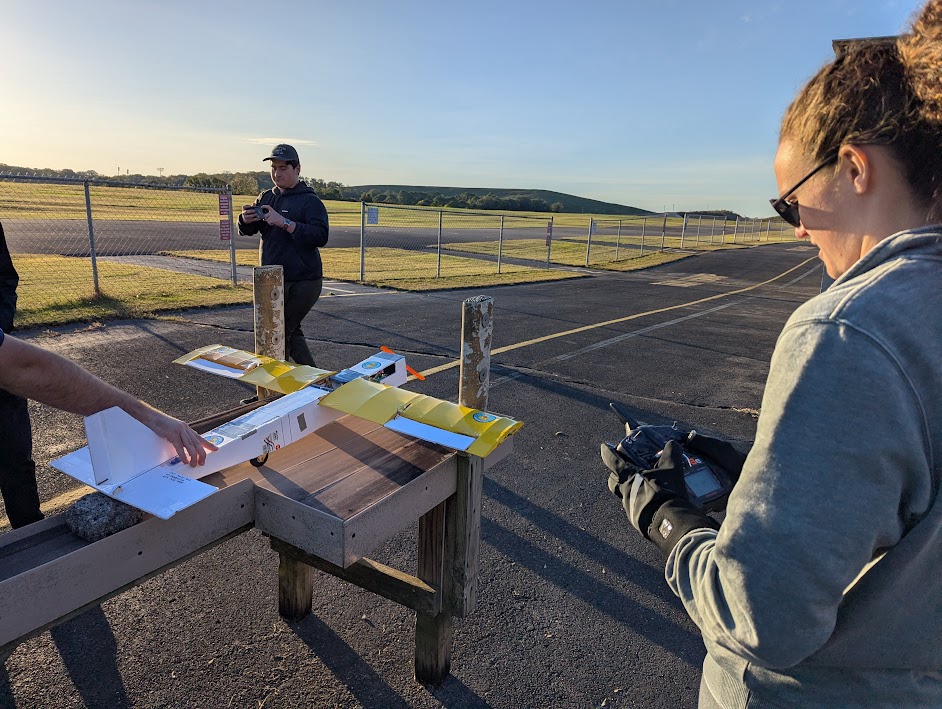
During the RC Aircraft challenge, mentees learn the basics of mechanical, software, and electrical engineering by designing and constructing a remote-controlled aircraft in an accelerated time frame to expose them to the nature of the American Institute of of Aeronautics and Astronautics's (AIAA) Design, Build, Fly competition!
Completing the RC Aircraft challenge is a great way to get prepared for the SPAROW team (Subsonic Performance Aircraft with Reliable Optimized Wings), which represents UAH at AIAA's competition every year.
The challenge for 2026 is to construct a plane meant to imitate real aerial firefighting techniques, and is split into two distinct parts: aircraft design and avionics design. Aircraft design entails designing and constructing the physical components of the plane, such as wings, tail, and cargo compartments. Avionics design is all about flight data and RC airplane electronics, as mentees determine the best electronics for the job and write code to operate them.
If planes, radios, and real engineering experience interest you, consider joining the RC Aircraft Two Month challenge!
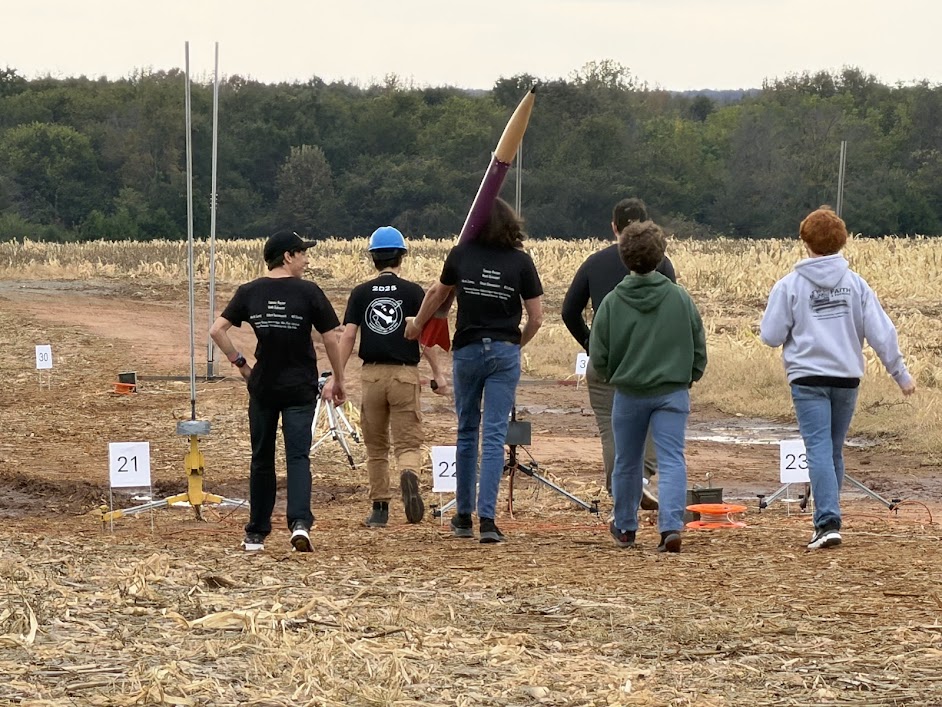
The rocketry two month challenge is analogous to the International Rocket Engineering Competition. Participants will design, build, and fly a L2-class rocket equipped with an aerobraking system, and carrying a payload analog provided to them. Additionally participants will design control and data logging systems so that their rockets accurately hit a targeted altitude while going more than 500 mph!
The rocketry two month challenge will teach participants:
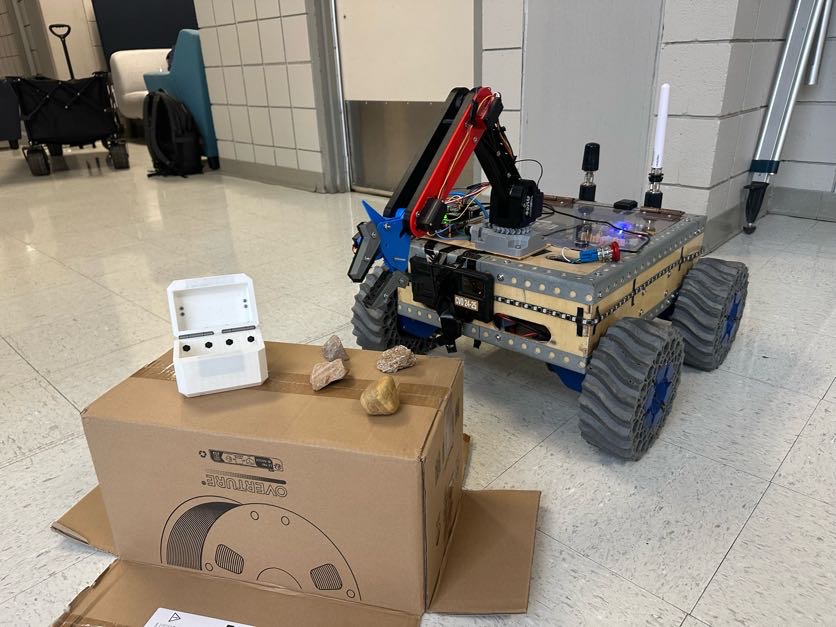
The Two Month Rover Challenge is a hands-on competition where you and your team will design, build, and control a robotic arm. Mounted to ASTRA's Testbed platform, you will take on real-world tasks inspired by the University Rover Challenge! Throughout this challenge, you'll gain skills in mechanical design, prototyping, electronics, programming, and systems integration - all critical skills for building fully-operational systems. This challenge is the perfect intro to the design and problem-solving skills needed to work on ASTRA's internationally competitive rover team.
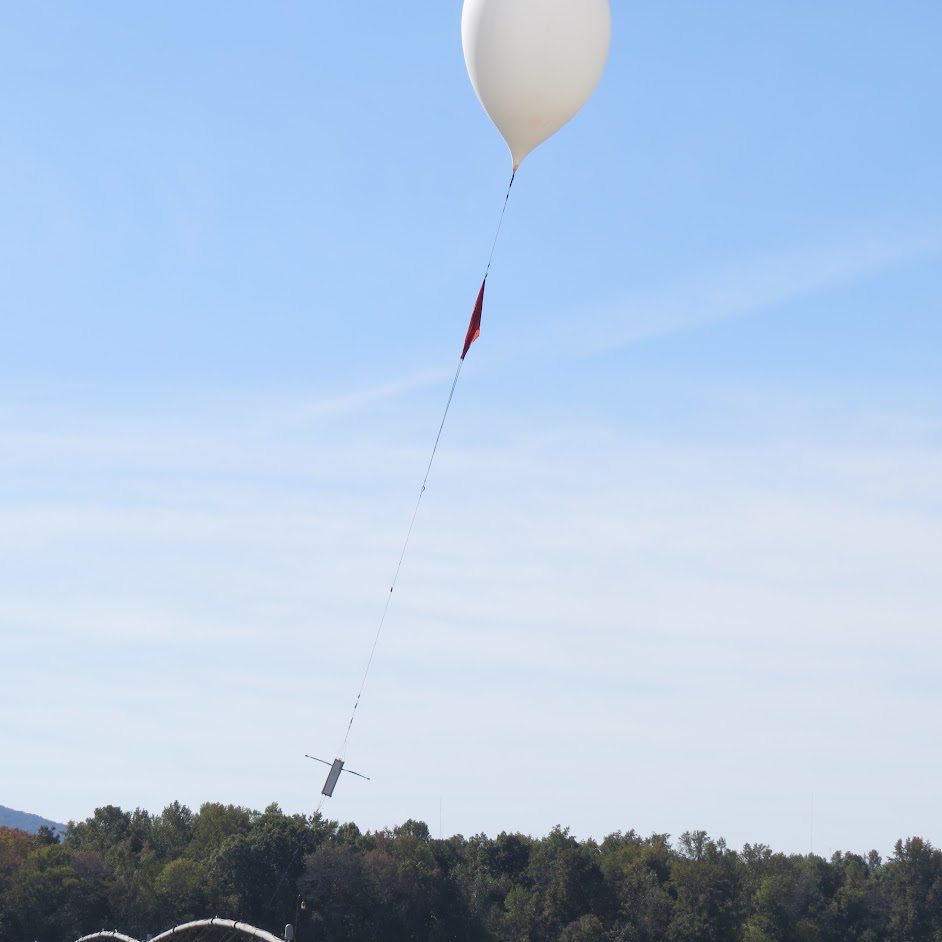
Welcome to Stratosat - A hands-on mission where you and your team will design, engineer, and launch a payload to the edge of Earth's atmosphere, nearing 100,000 feet! Your mission will consist of two primary objectives, including the rotational stabilization of your payload with reaction control systems, and a custom scientific objective developed and planned by your team!
The mission is divided into four specialized systems, each critical to the mission success for your flight:
This mission is a direct precursor to the Spaceflight and BalloonSat programs within the Space Hardware Club, and will help students develop the necessary competencies to learn within the club.